
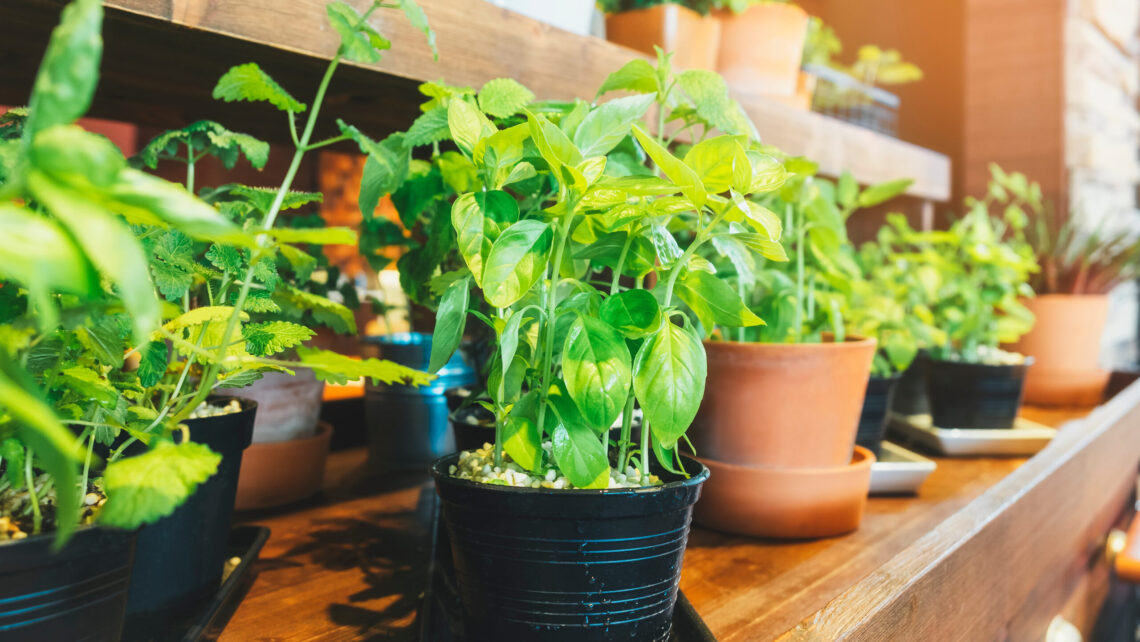
Tempted to begin gardening in your own yard, but overwhelmed by the options, the uncertainties, and the risk of making costly mistakes? Then look first to inexpensive herbs, those sturdy backyard workhorses, for your first foray into home gardening.
Most local gardening centers have herbs for less than $5 each. Master growing your own herbs now, especially perennials, and these low-maintenance plants will bring you enjoyment each summer, add fresh flavor in your kitchen, supply a surprising amount of vitamins and other key nutrients, and help you spend less in the produce and spice aisles for years to come.
Beginners: keep things simple.
This first year grow your herbs in one medium or large patio pot that’s at least 15 inches tall. Make sure it has a large drainage hole in the bottom. Otherwise, water will pool inside the pot and the plants will rot.
Place the herb pot in a backyard spot that gets at least 6 hours of direct sunlight each day. The pot doesn’t have to be expensive. But I would recommend avoiding terracotta this first year because your potting soil will dry out too fast. You will need to check the soil every day to see if it needs water. If the top inch of potting soil feels dry when you put your index finger down in it, you probably need to water.
Skip the fertilizer! Herbs don’t need it.
Buy a good potting soil (ask the staff where you buy your plants to help you select the right option!). Make sure you get enough soil to fill your pot to within a couple inches of the top.
With your pot filled with potting soil, thoroughly water the herbs while they’re still in their small plastic grow pots from the garden center. This makes it easier to gently wiggle the plant and most of the soil around its roots out of that temporary pot.
Now make a small hole in the soil of the big pot that’s large enough for the herb’s root ball and plant your first herb. Repeat for each herb and space them out equally in the pot. Smooth the top of the soil around each plant. If your herbs thrive in the pot this summer, in early fall you can transplant them to a permanent home out in your yard.
Top 5 Perennial Herbs for Beginning Gardeners
Italian Flatleaf Parsley
There are two varieties of parsley, Italian flatleaf and curly. Always stick with the Italian flatleaf parsley. Parsley is a biennial, so its lifespan is over 2 summers. It’s the only plant on this list that isn’t a true perennial. The first year is prime time for harvesting the leaves. In its second year, parsley will set seed and it puts most of its energy into that. Leaf production will be reduced, but you can still harvest some leaves the second year.
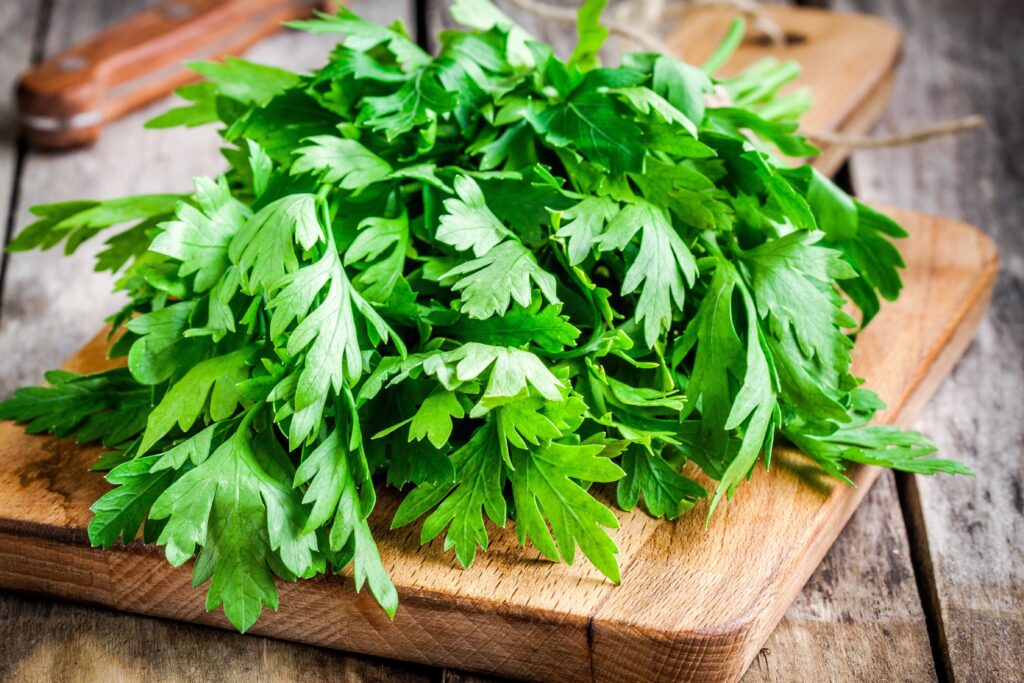
Italian flatleaf parsley is a vitamin powerhouse that’s rich in vitamins K, A, and C. It’s a good source of folate, potassium, calcium, and magnesium, according to WebMD. It’s also packed with antioxidants like lutein and zeaxanthin, which support healthy eyes.
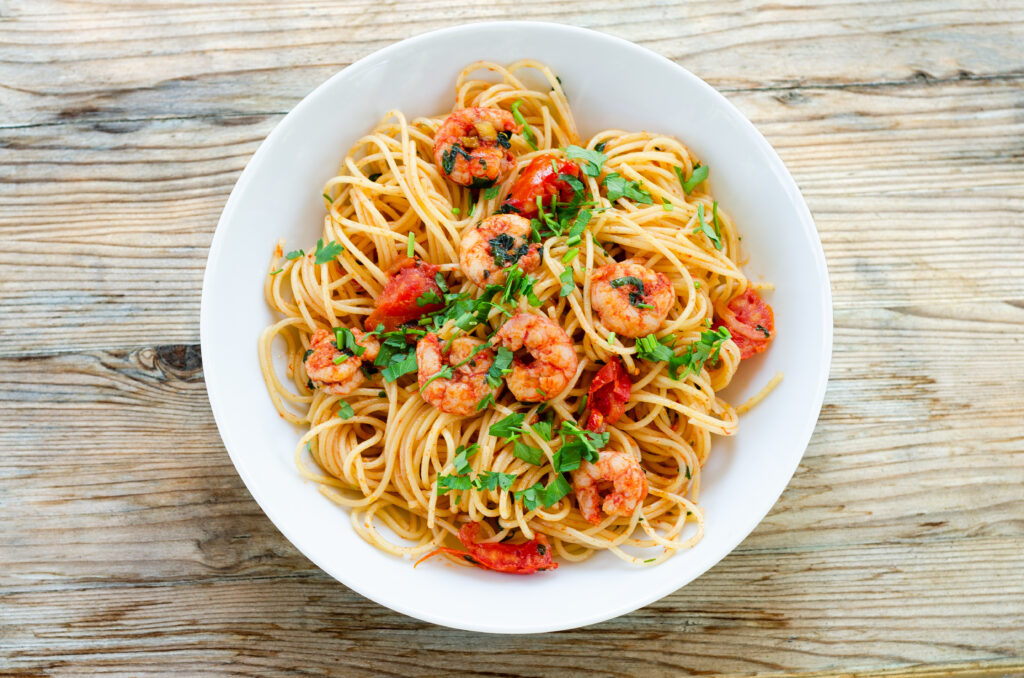
Italian flatleaf parsley has a better flavor than its curly cousin. Plus, it works well fresh or cooked. Add it fresh to salads, sprinkle it over eggs, chop a bundle and toss it into soups, stews, chicken dishes, and nearly any casserole. Scatter a generous handful over the top of pasta dishes. Beautiful green color, a clean, savory flavor, and it’s practically a multivitamin.
Chives
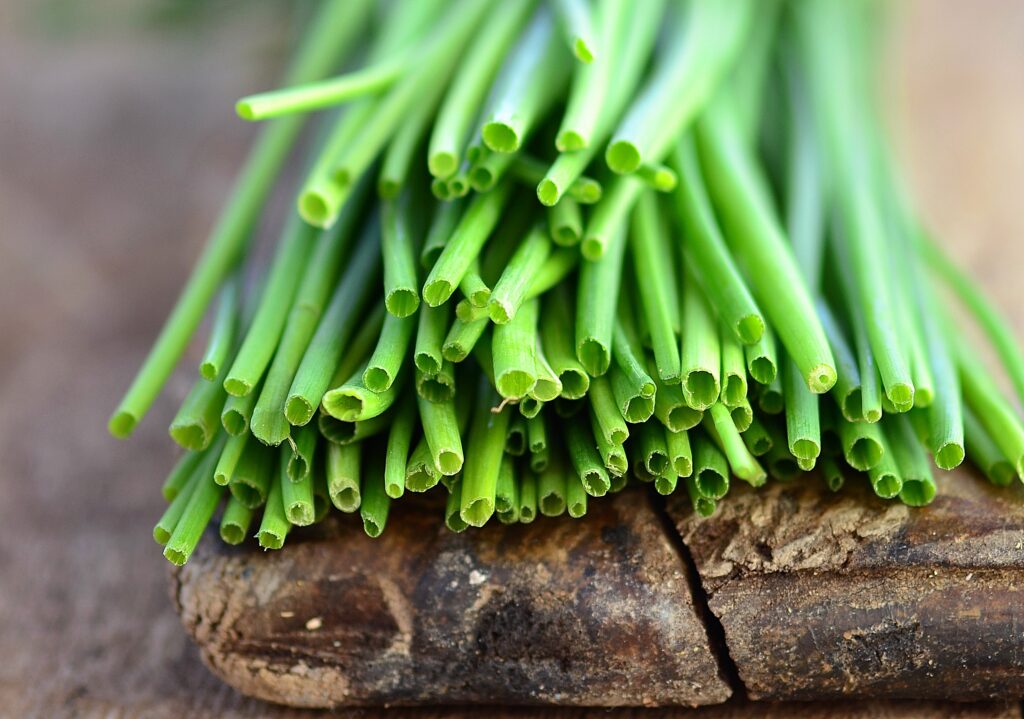
Plant chives once and you can harvest them for decades! They’re perennial, plus the clump expands a little each year. They are a harbinger of spring, always the first herb to send up green shoots in late winter in my garden. After a few years, you probably have enough chives to dig up a few clumps to share with friends for their gardens. Chives are a good source of vitamin K. It’s best used fresh. Use a scissors to snip portions onto eggs, potatoes, roasted vegetables, and pasta.
Sage
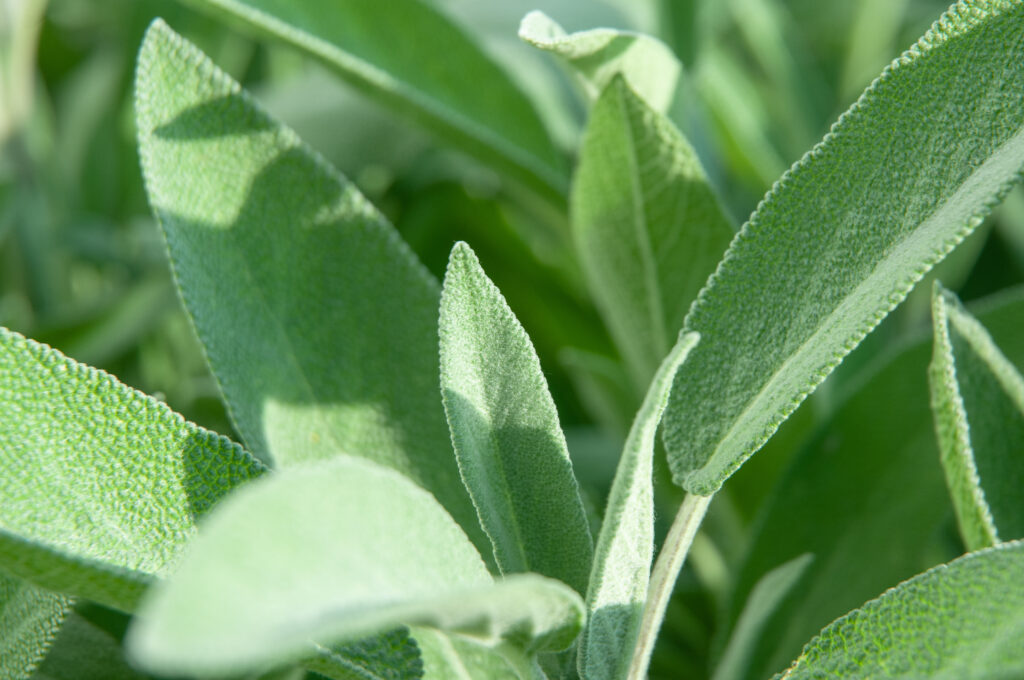
There are many varieties of sage, a reliable perennial. When shopping at the garden center, give each sage category a sniff to see which scent appeals most to you. Sage can be used fresh or dried. Savory cornbread, roast pork, pasta dishes, butter sauces, and Thanksgiving dressing all benefit from the pungent flavor of homegrown sage. It’s a good source of vitamin K and also provides smaller amounts of iron, calcium, manganese, and vitamin B6.
Thyme
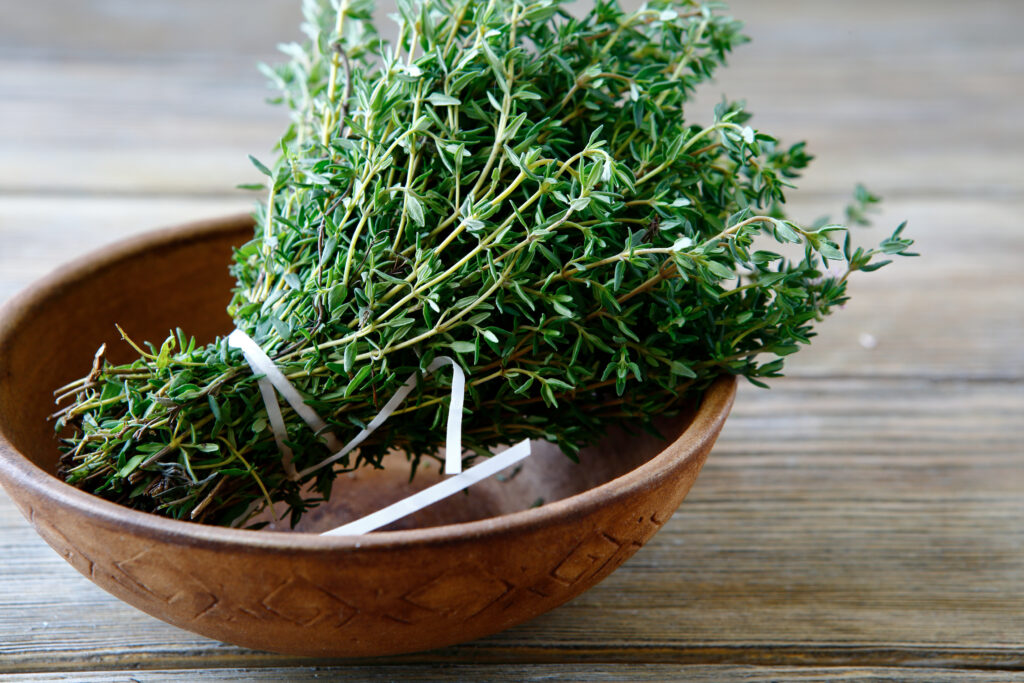
There are several varieties of thyme, two of the most common being French thyme and lemon thyme. French thyme works best with heartier dishes, including beef, pork, stews, and roasted vegetables. Lemon thyme is a wonderful herb matched with chicken, fish, and cream sauces. Thyme contains thymol, an antioxidant. Both thyme varieties are perennial.
Oregano
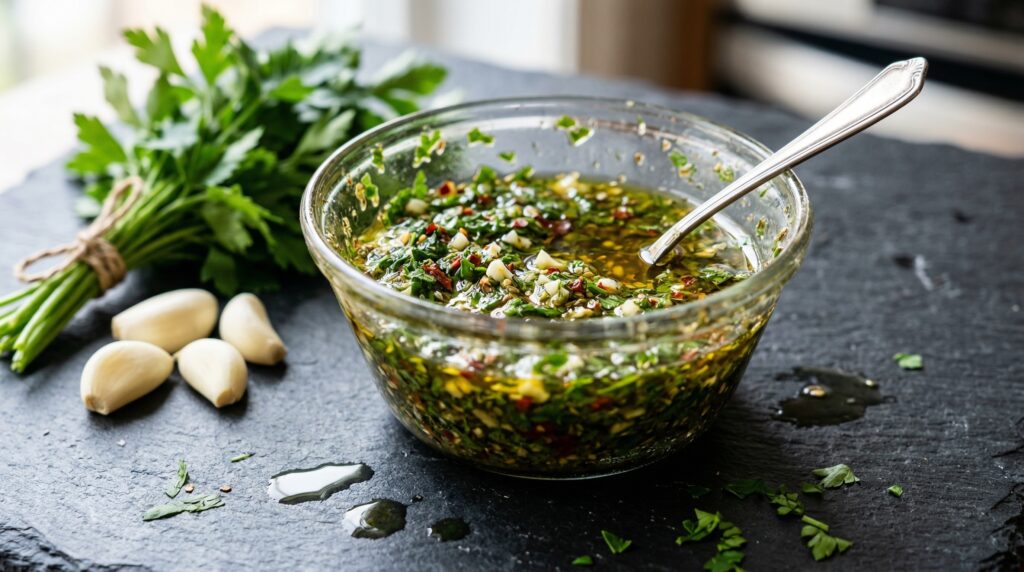
Add some torn fresh oregano leaves to any jar of marinara sauce and see how much better your pasta dish tastes! This perennial brightens homemade pizza sauce, stuffed eggplant, and is essential for chimichurri sauce for beef. It’s not especially known for its vitamin content, but it adds bold flavor to everyday dishes. Enjoy it!
Happy Gardening
Fresh herbs don’t just elevate everyday meals, they also make gardening approachable for beginners. Starting small with a single pot helps build confidence while keeping upkeep simple, and over time these hardy plants can become a lasting part of your outdoor space and your kitchen routine.
See more insights from your Neighborhood Guide, Valerie Kincaid

